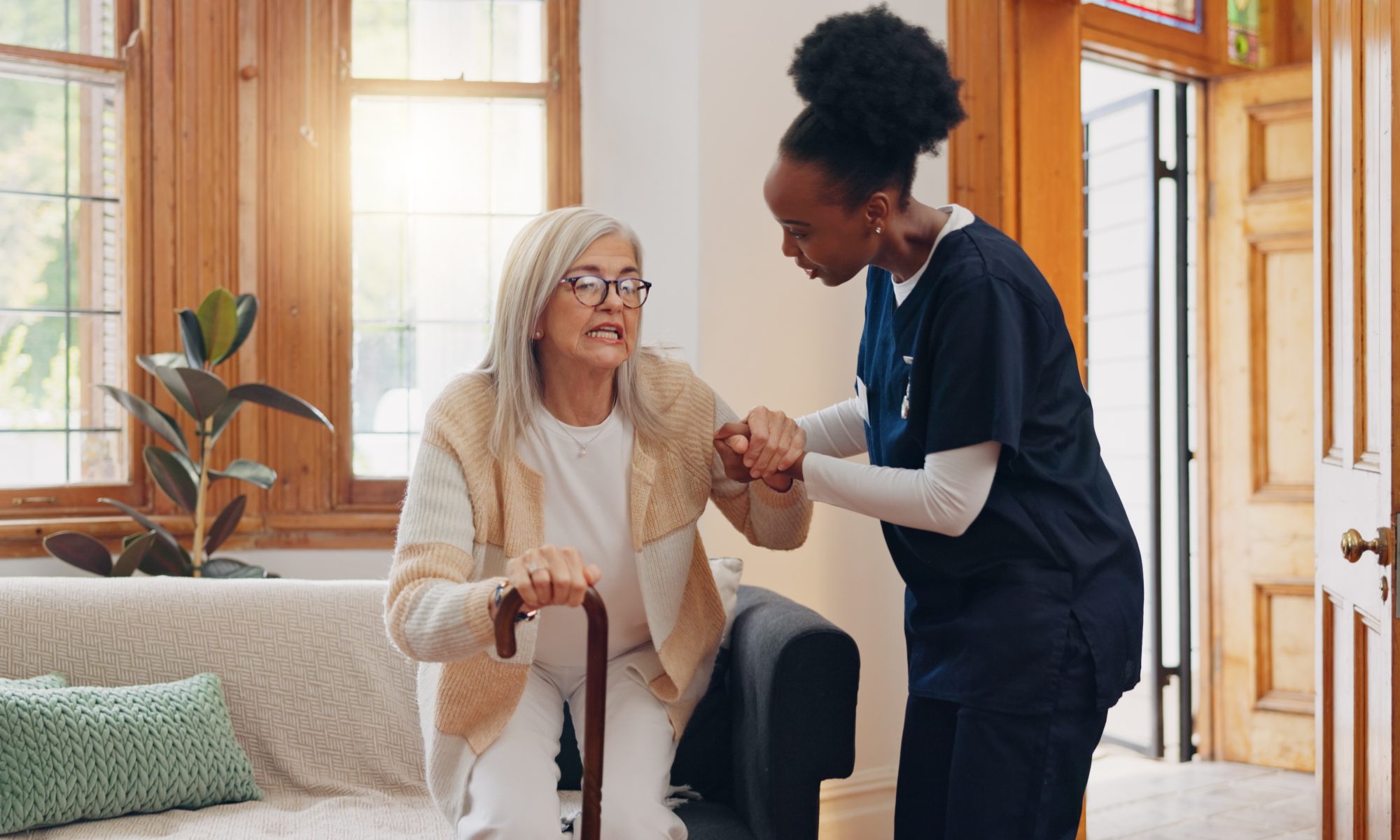
Parkinson’s home care for seniors involves creating a safe living environment, establishing daily routines, and providing consistent physical and emotional support to help individuals with Parkinson’s disease maintain independence and quality of life at home.
Caring for a senior loved one with Parkinson’s disease at home requires thoughtful planning, patience, and having the right support systems in place. This guide covers the key areas every caregiver should know to provide effective, compassionate care.
What Does Parkinson’s Home Care Actually Involve?
Parkinson’s home care encompasses the daily support, safety measures, and lifestyle adjustments needed to help seniors with Parkinson’s disease live comfortably at home. This includes:
- Assisting with daily activities such as bathing, dressing, and meal preparation
- Providing medication reminders on a consistent schedule
- Providing mobility support to reduce fall risk
- Offering emotional support and companionship
The type of homecare Westminster seniors need can vary. Some need assistance a few hours a day, while others require more extensive around-the-clock assistance. At Assisting Hands Home Care, we tailor our care plans based on each senior’s individual care needs, and the plans can be adjusted at any time. We are a trusted provider of respite and 24-hour care, and we also offer specialized Alzheimer’s, dementia, Parkinson’s, and stroke care for seniors.
How Can You Make the Home Safe for Someone with Parkinson’s?
A safe home environment is one of the most important elements of Parkinson’s care. Key modifications include:
- Remove tripping hazards such as loose rugs, electrical cords, and clutter.
- Install grab bars in bathrooms, near the toilet, and in the shower.
- Improve lighting throughout the home, especially in hallways and stairwells.
- Use nonslip mats in the bathroom and kitchen.
- Consider a hospital-style bed or bed rails if getting in and out of bed is difficult.
What Daily Routines Support Seniors with Parkinson’s Disease?
Consistency is essential for seniors with Parkinson’s disease. A structured daily routine can help your loved one manage symptoms and reduce anxiety. Effective routines typically include:
- Morning exercise, such as stretching or walking, to improve mobility and balance
- Scheduled mealtimes with nutrient-rich foods that support overall health
- Regular rest periods to prevent fatigue
- Medication schedules aligned with daily activities for maximum effectiveness
- Social and mentally stimulating activities, such as puzzles or music, to support cognitive health
How Can Caregivers Support the Emotional Wellbeing of a Senior with Parkinson’s?
Parkinson’s disease can significantly affect a person’s emotional health, with depression and anxiety being common. Caregivers can help by:
- Encouraging open conversations about feelings and concerns
- Maintaining social connections through visits, phone calls, or video chats
- Participating in activities your loved one enjoys
- Seeking out local or online Parkinson’s support groups for both you and your loved one
What Resources Are Available to Help Families Caring for a Senior with Parkinson’s?
Families don’t have to navigate Parkinson’s home care alone. A range of resources can provide guidance and relief:
- The Parkinson’s Foundation (parkinson.org) offers educational materials, a helpline, and local community programs.
- Respite care services give primary caregivers a much-needed break.
- Home caregivers can assist with personal care and daily tasks.
- Occupational therapists can assess the home and recommend safety modifications.
- Speech and physical therapists can work with seniors to maintain communication and mobility skills.
Family caregivers need to care for their own wellbeing. If you’re caring for an aging loved one and are feeling overwhelmed, consider hiring a professional caregiver. Whether you need respite from your caregiving duties or your aging loved one needs Westminster 24-hour home care, Assisting Hands Home Care can meet your family’s care needs. Our dedicated caregivers are available around the clock to assist seniors with bathing, grooming, and various other daily tasks, and we also offer specialized Alzheimer’s, dementia, stroke, and Parkinson’s care.
If you’re the primary caregiver for a senior family member and you need respite or overnight home care in Westminster, Assisting Hands Home Care is here to help. Our dedicated, compassionate caregivers are trained to assist older adults with a wide variety of everyday tasks, including meal prep, physical activity, and personal hygiene. We also provide 24-hour care and specialized care for seniors with Alzheimer’s, dementia, and Parkinson’s. To create a customized home care plan for your loved one, call Assisting Hands Home Care today.
Frequently Asked Questions
What are the early signs that a senior with Parkinson’s needs more support at home?
+
Signs include increased difficulty with daily tasks like cooking or dressing, more frequent falls, changes in mood or cognition, and trouble organizing medications independently.
How do you prevent falls in a senior with Parkinson’s disease?
+
Removing home hazards, installing grab bars, encouraging regular balance and strength exercises, and ensuring proper footwear are all effective strategies for reducing fall risk.
Can someone with Parkinson’s disease live alone safely?
+
With the right home modifications, regular check-ins, and support services in place, some individuals with mild-to-moderate Parkinson’s can live alone, though this depends on the progression of their symptoms and overall health.
How does Parkinson’s disease affect sleep, and how can caregivers help?
+
Parkinson’s commonly disrupts sleep through restlessness, vivid dreams, and frequent waking. Caregivers can help by establishing a consistent bedtime routine, limiting caffeine, and ensuring the bedroom is safe and comfortable.
What is respite care, and how can it help Parkinson’s caregivers?
+
Respite care provides temporary relief for primary caregivers by having a trained professional step in, allowing the caregiver to rest and recharge while ensuring the senior continues to receive high-quality care.