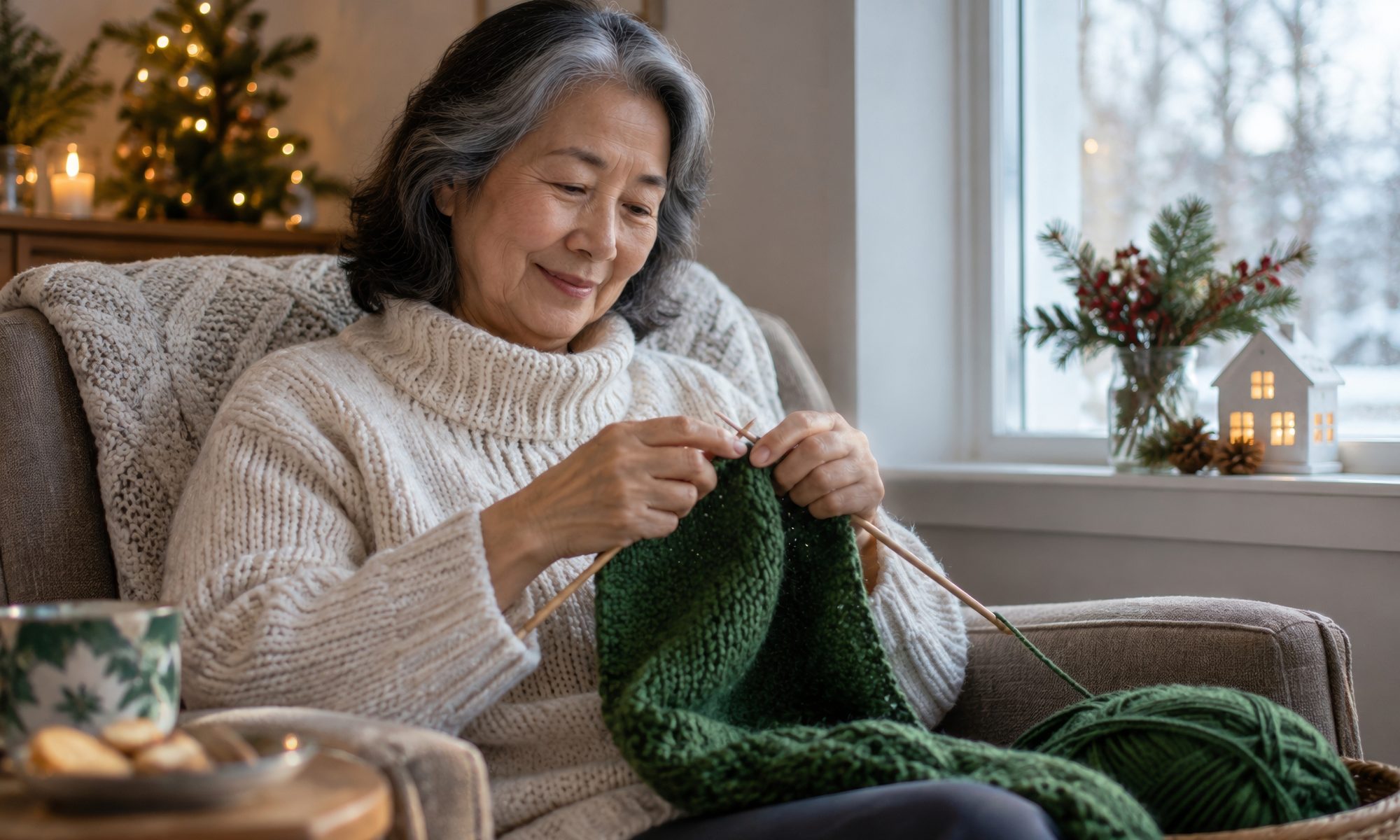
Cultivating joy and hobbies during care at home boosts emotional wellbeing, reduces feelings of isolation, and gives individuals a meaningful sense of purpose. Simple structured activities tailored to personal interests and physical ability can make a significant difference in daily quality of life.
Caring for someone at home—or receiving care yourself—doesn’t mean putting joy on hold. Hobbies and enjoyable activities play a vital role in maintaining mental and emotional health, helping individuals feel engaged, valued, and connected.
What Types of Hobbies Are Best Suited for Home Care Settings?
The best hobbies are those that match your loved one’s interests, physical abilities, and cognitive level. Consider the following categories:
- Creative activities – Drawing, painting, knitting, or journaling
- Mind-stimulating pastimes – Puzzles, crosswords, reading, or board games
- Gentle physical activities – Chair yoga, light stretching, or indoor gardening
- Social hobbies – Video calls with loved ones, pen pals, or group virtual classes
- Sensory activities – Listening to music, cooking simple recipes, or aromatherapy crafts
Choosing activities that feel familiar or connect to past interests often produces the strongest sense of enjoyment and engagement.
How Can Caregivers Create Routines Around Hobbies?
A consistent routine makes hobbies feel like a natural, expected part of the day rather than an afterthought. Caregivers can support this by:
- Scheduling hobby time at the same time each day
- Preparing materials in advance to reduce friction
- Participating alongside the individual when possible
- Celebrating small milestones and completed projects
- Rotating activities weekly to prevent boredom
Structure and predictability are particularly beneficial for individuals who experience anxiety or cognitive changes.
Activities and hobbies can be especially beneficial for older adults with Alzheimer’s or other forms of dementia. Aging in place can present a few challenges for seniors living with dementia. However, with professional dementia home care that offers Westminster families peace of mind, they can still live independently at home. Families can rely on Assisting Hands Home Care to provide their elderly loved ones with mental and social stimulation, timely medication reminders, assistance with meal prep, and much more. Our caregivers are available around the clock to help your loved one live a happier and healthier life.
What Role Does Social Connection Play in Cultivating Joy at Home?
Social connection is one of the most powerful contributors to wellbeing. Isolation is a common challenge in home care settings, making intentional social engagement essential. Ways to foster connection include:
- Scheduling regular video or phone calls with family and friends
- Joining online communities or hobby groups
- Participating in virtual events, classes, or book clubs
- Encouraging visits from friends, neighbors, or volunteers
- Engaging in intergenerational activities with younger family members
Even brief, meaningful interactions can significantly lift mood and reduce feelings of loneliness.
If your loved one needs assistance with hobbies or daily activities, consider hiring a professional caregiver. Respite care can be a wonderful solution for families when their aging loved ones need companionship and socialization a few hours a week or just need minor assistance with daily household tasks. Our caregivers can encourage your loved one to eat well, exercise regularly, get plenty of mental and social stimulation, and focus on other lifestyle factors that promote longevity. Assisting Hands Home Care is a leading provider of respite, live-in, and overnight home care in Westminster and surrounding areas, and we thrive on helping seniors maintain their independence while living in the comfort of home.
How Can Hobbies Be Adapted for Varying Levels of Physical or Cognitive Ability?
Not every hobby is accessible in its original form, but most can be adapted. Here are some practical modifications:
- Use large-print books or audiobooks for those with vision difficulties.
- Opt for adaptive art tools with easy grips for limited dexterity.
- Break activities into shorter, simpler steps for those with cognitive challenges.
- Choose low-impact movement activities that can be done seated.
- Use digital tablets or voice-activated devices to make technology-based hobbies more accessible.
The goal is participation and enjoyment, not perfection or completion.
How Can the Home Environment Be Set Up to Support Joyful Activities?
A welcoming, well-organized environment makes it easier to engage in hobbies consistently. Consider these adjustments:
- Designate a specific comfortable area for creative or leisure activities.
- Keep supplies visible and within easy reach.
- Ensure adequate lighting, especially for detail-oriented tasks.
- Minimize distractions in the activity space.
- Display finished projects or meaningful items to create a sense of pride and accomplishment.
Small environmental changes can have a big impact on motivation and participation.
Maintaining hobbies is just one of the many ways seniors can enjoy a high quality of life. If your aging loved one needs help managing everyday tasks or encouragement to adopt healthier lifestyle choices, turn to Assisting Hands Home Care, a leading provider of Westminster at-home care. Assisting Hands Home Care provides professional in-home caregivers around the clock to help seniors live longer, happier, and healthier lives. To create a customized in-home care plan for your loved one, call us today.
Frequently Asked Questions
How often should someone in home care engage in hobbies or leisure activities?
+
Daily engagement—even for just 20 to 30 minutes—is ideal, as regular participation supports emotional wellbeing and provides a sense of routine.
What if my loved one shows little interest in hobbies or activities?
+
Start with activities tied to past interests or passions, and introduce them gradually. Sometimes revisiting a familiar hobby can reignite motivation more effectively than trying something new.
Are there hobbies that can be enjoyed together with a caregiver?
+
Yes. Shared activities like puzzles, cooking, gardening, or watching films together can strengthen the caregiver–client relationship while making the experience more enjoyable for both.
How can technology support hobbies and social connection at home?
+
Tablets, smartphones, and voice-activated devices provide access to virtual classes, video calls, music streaming, audiobooks, and online communities, all of which expand hobby options significantly.
What should I do if a hobby becomes frustrating or overwhelming for my loved one?
+
Scale back the complexity of the activity, offer more support, or gently transition to a different option. The priority is always positive engagement, not task completion.