Connecting with senior loved ones begins with slowing down, being present, and creating space for meaningful conversations. A gentle approach, warm tone, and patient listening can completely change the way older adults feel during interactions. When communication feels supportive and respectful, seniors often open up more easily and feel genuinely heard. This emotional connection strengthens trust, reduces misunderstandings, and helps families build deeper relationships across generations.
Understand Your Loved One’s Communication Style
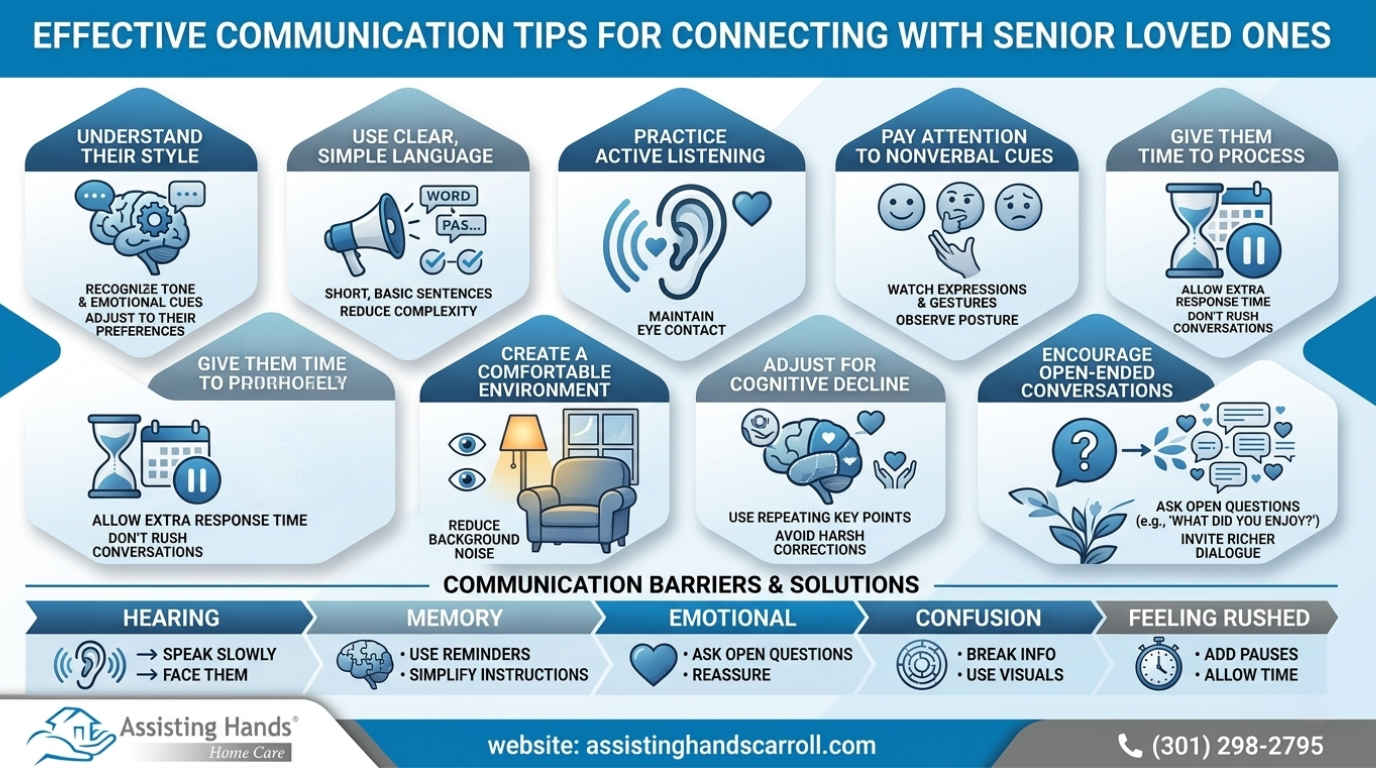
Every senior communicates differently, and taking time to understand your loved one’s unique style can transform your conversations. Some older adults prefer direct, brief exchanges, while others enjoy long, detailed stories. Being aware of tone, body language, and emotional cues creates an environment where your loved one feels respected. This is also where placing supportive resources like Home Care Services naturally fits into family routines, offering seniors more comfort during conversations. When you align communication with your loved one’s preferences, he or she will feel validated, which leads to deeper connections and fewer misunderstandings. Consider asking gentle questions and pausing often, allowing your loved one time to gather his or her thoughts.
Use Clear, Simple, and Respectful Language
Seniors living with cognitive changes, hearing loss, or slower processing may find it challenging to interpret long or fast-paced conversations. Simplifying your sentences without sounding condescending ensures your loved one understands the message clearly. Placing one supportive phrase at a time helps your loved one follow along without pressure. For seniors requiring more structured support, consider live-in care, as it often helps families maintain consistency in daily care. Adjusting your speech rate, guiding the conversation gently, and repeating essential points when needed shows patience and encourages confidence in your loved one’s ability to engage.
Practice Active Listening with Presence and Empathy
Active listening encourages seniors to express concerns, share stories, and feel valued. This means focusing entirely on what your loved one is saying rather than planning your next response. Maintaining eye contact, nodding, and responding with brief verbal cues may reassure your loved one. Seniors living with memory loss, anxiety, or confusion may rely on strong family communication to feel grounded. When communication challenges persist, additions like structured dementia care can complement family efforts by offering consistent emotional support. Active listening also builds a safe space where seniors feel secure discussing sensitive topics such as health changes or personal worries.
Pay Attention to Nonverbal Cues
Nonverbal expressions, including facial movements, gestures, posture, and touch, often communicate more than spoken words. Seniors who have difficulty with hearing or speech may lean heavily on these cues. Observing subtle changes helps families identify discomfort, fatigue, confusion, or joy. For instance, a senior who avoids eye contact may be anxious, while one who leans forward may need more involvement in the conversation. This is where supportive approaches linked with meaningful companionship can be important, helping seniors maintain emotional connection even when words are limited. Nonverbal communication strengthens trust and enriches every interaction.
Give Your Loved One Time to Process Information
- Seniors often need extra time to think, recall details, or process what’s being said, especially when conversations involve multiple steps or emotional topics.
- Rushing can lead to frustration, misunderstandings, or withdrawal, so creating pauses after each question can help your loved one feel respected and supported.
- Allowing space between sentences signals that your loved one’s thoughts are important and reduces pressure to respond quickly.
- Let your loved one complete his or her sentences without interruption, even if it takes longer.
- When discussing important matters, like health, daily routines, or decisions, slow pacing encourages confidence and reduces anxiety.
- Gentle reassurance such as “Take your time” or “I’m listening” can help your loved one stay relaxed and engaged, strengthening emotional connection and enhancing the overall flow of communication. This kind of patient, empathetic communication is central to promoting senior health at home, where emotional wellbeing is just as vital as physical care.
Create a Comfortable Communication Environment
Where a conversation takes place affects how seniors respond. A quiet, familiar, and well-lit space may help your loved one focus and reduce confusion. Background noise, multiple conversations, or fast-moving environments can overwhelm older adults. To keep communication effective, ensure your loved one can see your face clearly. This is helpful for seniors who rely on lip-reading. Sitting at eye level instead of towering over your loved one can prevent feelings of intimidation. Comfortable seating, warm lighting, and minimal distractions turn simple discussions into opportunities for bonding while promoting clarity and emotional comfort.
Adjust Communication for Cognitive Decline or Memory Loss
Seniors experiencing cognitive decline require specialized communication strategies. Using short sentences, repeating key points, and offering gentle reminders can help your loved one remain engaged. Visual aids, written notes, and step-by-step instructions reduce frustration. Avoid correcting your loved one harshly when he or she forgets something. Instead, redirect the conversation with reassurance. Maintaining a calm tone protects your loved one’s dignity and keeps the interaction positive. Family members who adapt communication styles compassionately often report stronger emotional connections and fewer behavioral challenges.
Encourage Open-Ended Conversations
Open-ended questions help seniors express thoughts, feelings, and experiences more freely. Instead of asking “Did you eat lunch?”, try “What did you enjoy for lunch today?” This approach invites richer conversations and builds trust. Seniors often appreciate being involved in choices, such as activities, meals, or daily routines. Asking for your loved one’s input helps him or her feel valued and reduces isolation. Open-ended conversations also help families learn more about their loved one’s preferences, memories, and future wishes. Over time, this deepens the emotional bond and enhances overall communication.
Communication Barriers and Solutions: Quick Reference Table
| Barrier | Common Causes | Effective Solutions |
| Hearing difficulty | Age-related hearing loss | Speak slowly, face your loved one, reduce background noise |
| Memory challenges | Cognitive decline | Use reminders, repeat gently, simplify instructions |
| Emotional withdrawal | Loneliness, anxiety | Ask open-ended questions, offer reassurance |
| Confusion during conversations | Fast or complex sentences | Break information into smaller parts, use visual cues |
| Feeling rushed | Quick conversations | Add pauses, allow time to respond |
Frequently Asked Questions
How can I enhance communication with a senior who has hearing loss?
+
Speak clearly, reduce background noise, and face your loved one so he or she can read your expressions. Using visual cues and confirming understanding reduces miscommunication. Slow pacing also gives your loved one time to process your message comfortably.
What should I do if my senior loved one frequently forgets conversations?+
Gently repeat key points without sounding frustrated. Use short sentences, written notes, or visual reminders to support memory. Patience and consistency can help your loved one feel more secure and less overwhelmed.
How do I keep a senior engaged during conversations?+
Ask open-ended questions, encourage storytelling, and involve your loved one in decision-making. Creating a calm environment and offering emotional reassurance deepens connection and boosts engagement.
Why do seniors sometimes avoid conversations?+
Withdrawal may be linked to anxiety, hearing challenges, fatigue, or cognitive changes. Approach your loved one with patience, maintain eye contact, and make him or her feel valued to rebuild comfort and trust.
How can family members reduce misunderstandings with older adults?+
Use simple wording, maintain a compassionate tone, and check in to ensure your loved one understood correctly. Observing nonverbal cues and avoiding rushed conversations significantly increases clarity.