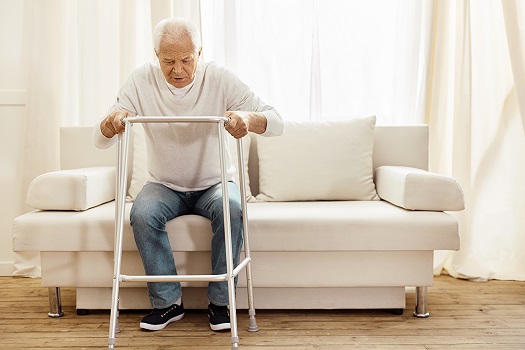
Tailoring home care for complex service-connected disabilities involves creating a customized daily support plan that directly addresses a veteran’s specific physical, environmental, and emotional needs. By carefully adapting living spaces and establishing personalized routines, caregivers can greatly enhance overall quality of life for those who served. Much like the benefits of home care for seniors in general, this individualized approach ensures veterans can comfortably maintain their independence in familiar environments.
What Are Complex Service-Connected Disabilities?
These disabilities refer to injuries or conditions sustained during military service that significantly impact a person’s ability to navigate daily life. Examples often include severe mobility limitations, sensory loss, and post-traumatic stress, all of which require highly specialized nonclinical support within the home. Exploring at-home care approaches for seniors with mobility limitations can give families a clearer picture of the kind of structured support that works best in these situations.
There are a variety of health conditions that can make it more challenging for Westminster veterans to live independently. However, many of the challenges they face can be easier to manage if their families opt for professional home care service. You can rely on expertly trained caregivers to keep your loved one safe and comfortable while living at home.
How Can Home Environments Be Adapted for Safety?
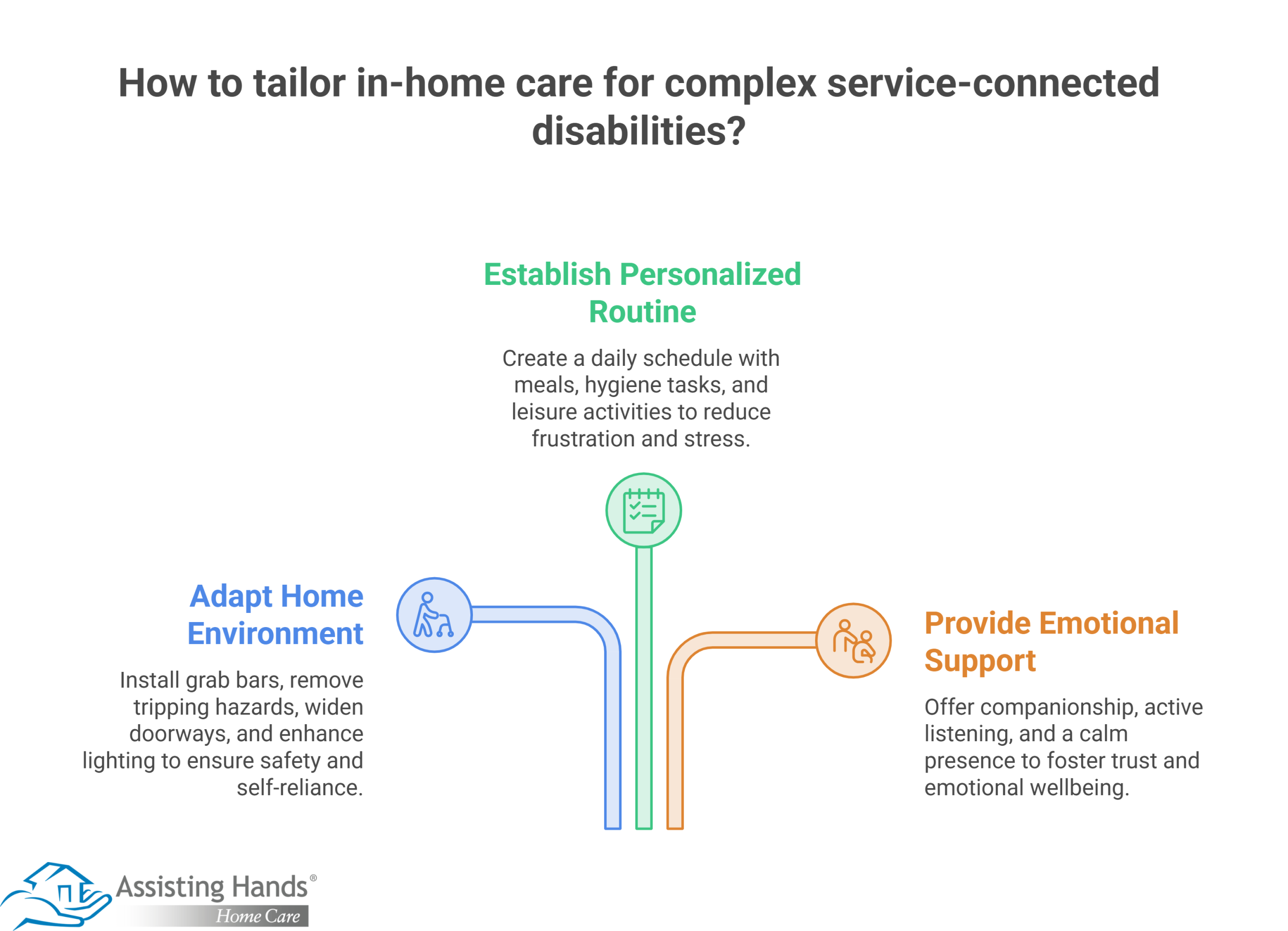
Modifying the physical living space is a critical step in preventing accidents and promoting self-reliance. Caregivers and families should assess the homes to implement the following adjustments:
- Install grab bars in bathrooms and near beds.
- Remove tripping hazards such as loose rugs and clutter.
- Widen doorways and rearrange furniture to accommodate wheelchairs.
- Enhance lighting in hallways, staircases, and entryways to address visual impairments.
Veterans dealing with sensory loss alongside mobility challenges can find further guidance on supporting aging adults with hearing or vision impairment, which outlines practical strategies that complement home environment modifications.
Why Is a Personalized Routine Important?
A customized daily schedule provides essential structure and predictability, which is especially beneficial for veterans managing cognitive challenges or high stress levels. Organizing meals, personal hygiene tasks, and leisure activities around the individual’s natural energy peaks can reduce daily frustration and build a comfortable, stress-free environment. This structured approach is equally important when managing chronic conditions in elderly people with at-home care, where consistency plays a key role in long-term wellbeing.
Certain service-related conditions can make it more challenging for veterans to live at home safely and comfortably, but Westminster 24-hour home care experts are available around the clock to help Carroll County veterans manage their health. At Assisting Hands Home Care, we take measures to help veterans prevent illness and injury by assisting with exercise and mobility, preparing nutritious meals, helping with bathing and other personal hygiene tasks, and much more.
What Role Does Emotional Support Play in Daily Care?
Veterans living with service-connected conditions often face unseen emotional and psychological hurdles. Caregivers provide vital companionship, active listening, and a calm, stable presence that fosters trust and emotional wellbeing without crossing over into clinical therapies.
Living independently is important for veterans who want to maintain a high quality of life. For some, this simply means receiving help with tasks that have become more challenging to manage. Even when families have the best intentions, they may not have the time to provide the care their loved ones need and deserve. If your loved one needs help to live at home as independently as possible, reach out to Assisting Hands Home Care, a trusted provider of respite, 24-hour, and overnight home care Westminster veterans and their families can depend on. To create a comprehensive in-home care plan for your loved one, give us a call today.
Frequently Asked Questions
Who pays for home care modifications for veterans?
+
Various veteran benefit programs and grants are available to cover some of the costs of home accessibility modifications. You should consult local veteran affairs offices or advocates to explore specific funding options.
Can family members act as paid caregivers?
+
Yes, certain benefit programs allow family members to receive compensation for providing daily care and assistance. Eligibility requirements depend on the specific program and the veteran’s recognized disability rating.
How do you handle sudden changes in a veteran’s mobility?
+
Adjust the home environment immediately to accommodate the new physical limitations, such as moving essential items to the ground floor. Always communicate closely with your loved one to understand his or her current comfort level and adjust his or her daily routine accordingly.
What are the best ways to support a veteran’s independence?
+
Encourage your loved one to perform daily tasks he or she can safely manage independently, and only step in to assist when absolutely necessary. Utilizing assistive devices and ensuring an accessible home layout also greatly promote a sense of self-sufficiency.