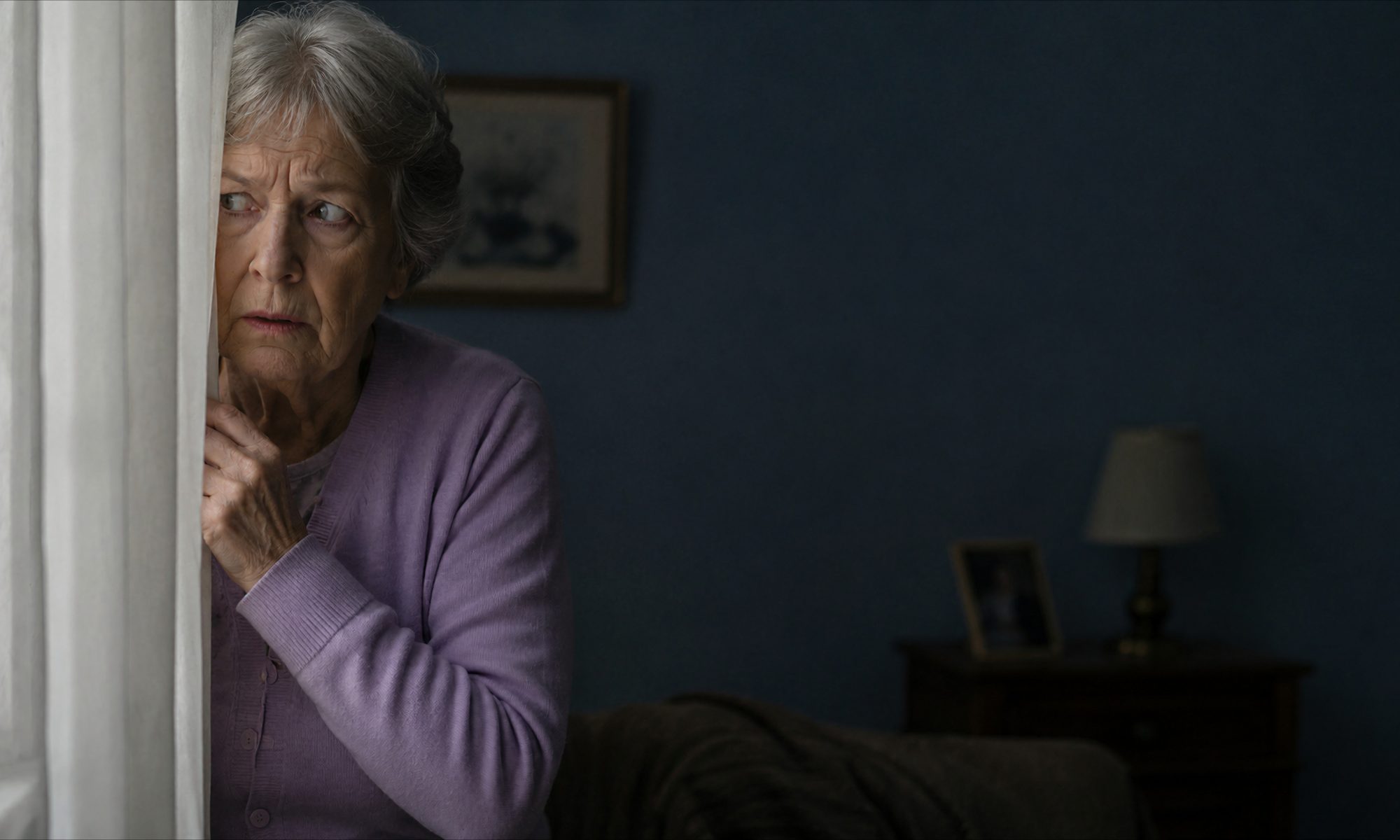
Managing hallucinations and delusions in someone with dementia involves staying calm, avoiding confrontation, and redirecting attention rather than arguing about what is or isn’t real. Simple environmental adjustments and consistent routines can also significantly reduce the frequency and intensity of these episodes.
Hallucinations and delusions are common symptoms of dementia that can be distressing for both the person experiencing them and the caregiver. Understanding how to respond effectively can make day-to-day caregiving feel more manageable.
What’s the Difference between Hallucinations and Delusions in Dementia?
These two symptoms are often confused, but they’re distinct:
- Hallucinations involve sensing something that isn’t there, such as seeing, hearing, or feeling things others cannot perceive.
- Delusions are false beliefs the person holds firmly, such as believing a family member is an impostor or that someone is stealing from him or her.
Both are neurological symptoms of dementia, not deliberate behavior or a sign of “going crazy.”
How Should You Respond in the Moment?
How a caregiver reacts during an episode can either escalate or de-escalate the situation:
- Stay calm and speak gently – Raised voices or visible frustration can increase distress.
- Don’t argue or try to correct – Insisting that what your loved one is seeing isn’t real rarely helps and often causes more agitation.
- Validate your loved one’s feelings – Saying “That sounds scary. I’m right here with you” acknowledges your loved one’s emotional experience without reinforcing the false belief.
- Redirect your loved one’s attention – Offer a favorite activity, snack, or a change of scenery to gently shift focus.
Caring for a loved one with dementia can be extremely challenging, and a compassionate professional caregiver can be a wonderful source of support. Families looking for top-rated Westminster elder care providers can reach out to Assisting Hands Home Care. From respite care to specialized Alzheimer’s, dementia, stroke, and Parkinson’s care, there are many ways we can make life easier for seniors and their loved ones.
What Environmental Changes Can Reduce Episodes?
The physical environment plays a larger role than many caregivers realize:
- Improve lighting – Poor lighting creates shadows that can trigger visual hallucinations. Use nightlights in hallways and bedrooms.
- Cover mirrors – People with dementia sometimes don’t recognize their own reflections, which can be frightening.
- Reduce background noise – TVs left on in the background can be misinterpreted as real voices.
- Maintain a clutter-free space – Visual clutter can increase confusion and contribute to misperceptions.
How Can Routine and Comfort Manage Symptoms?
Consistency provides a sense of safety for someone with dementia:
- Stick to a predictable daily schedule – Regular mealtimes, sleep times, and activities reduce disorientation.
- Use familiar objects and photos – Familiar surroundings can ground your loved one and reduce anxiety.
- Limit overstimulating environments – Crowded or noisy settings can worsen symptoms.
How Can You Protect Your Own Wellbeing as a Caregiver?
Caregiver burnout is real, and it directly affects the quality of care:
- Connect with a support group – Sharing experiences with others in similar situations reduces isolation.
- Accept help when it’s offered – Caregiving doesn’t have to be a solo effort.
- Take regular breaks – Even short periods of respite can help you maintain patience and emotional resilience.
- Keep a journal – Tracking when episodes occur can help you identify patterns and potential triggers.
Family caregivers need to care for their own wellbeing. If you’re caring for an aging loved one and are feeling overwhelmed, consider hiring a professional caregiver. Whether you need respite from your caregiving duties or your aging loved one needs 24-hour home care in or near Westminster, Assisting Hands Home Care can meet your family’s care needs. Our dedicated caregivers are available around the clock to assist seniors with bathing, grooming, and various other daily tasks, and we also offer specialized Alzheimer’s, dementia, stroke, and Parkinson’s care.
Even when families have the best intentions, caring for a senior loved one with dementia can be challenging. Fortunately, Assisting Hands Home Care is here to help. We are a leading provider of dementia home care Westminster families can trust. You can take advantage of our flexible and customizable care plans, and our caregivers always stay up to date on the latest developments in senior care. Call us today to talk to one of our compassionate Care Specialists about our high-quality home care services.
Frequently Asked Questions
Are hallucinations in dementia dangerous?
+
Hallucinations aren’t always dangerous, but they can cause significant distress and, in some cases, lead to unsafe behavior if the person acts on what he or she is perceiving.
Is it ever okay to go along with a delusion?
+
Gently entering your loved one’s reality rather than correcting him or her is often recommended, as long as doing so doesn’t reinforce harmful beliefs or put anyone at risk.
What triggers hallucinations in people with dementia?
+
Common triggers include poor lighting, fever or illness, dehydration, sleep disturbances, and unfamiliar environments.
Will hallucinations and delusions get worse over time?
+
These symptoms can fluctuate and may worsen as dementia progresses, though consistent routines and a calm environment can minimize their impact.
Can certain medications cause or worsen hallucinations in dementia?
+
Yes, some medications can contribute to hallucinations or delusions as a side effect. A pharmacist can review current prescriptions to identify any potential concerns.