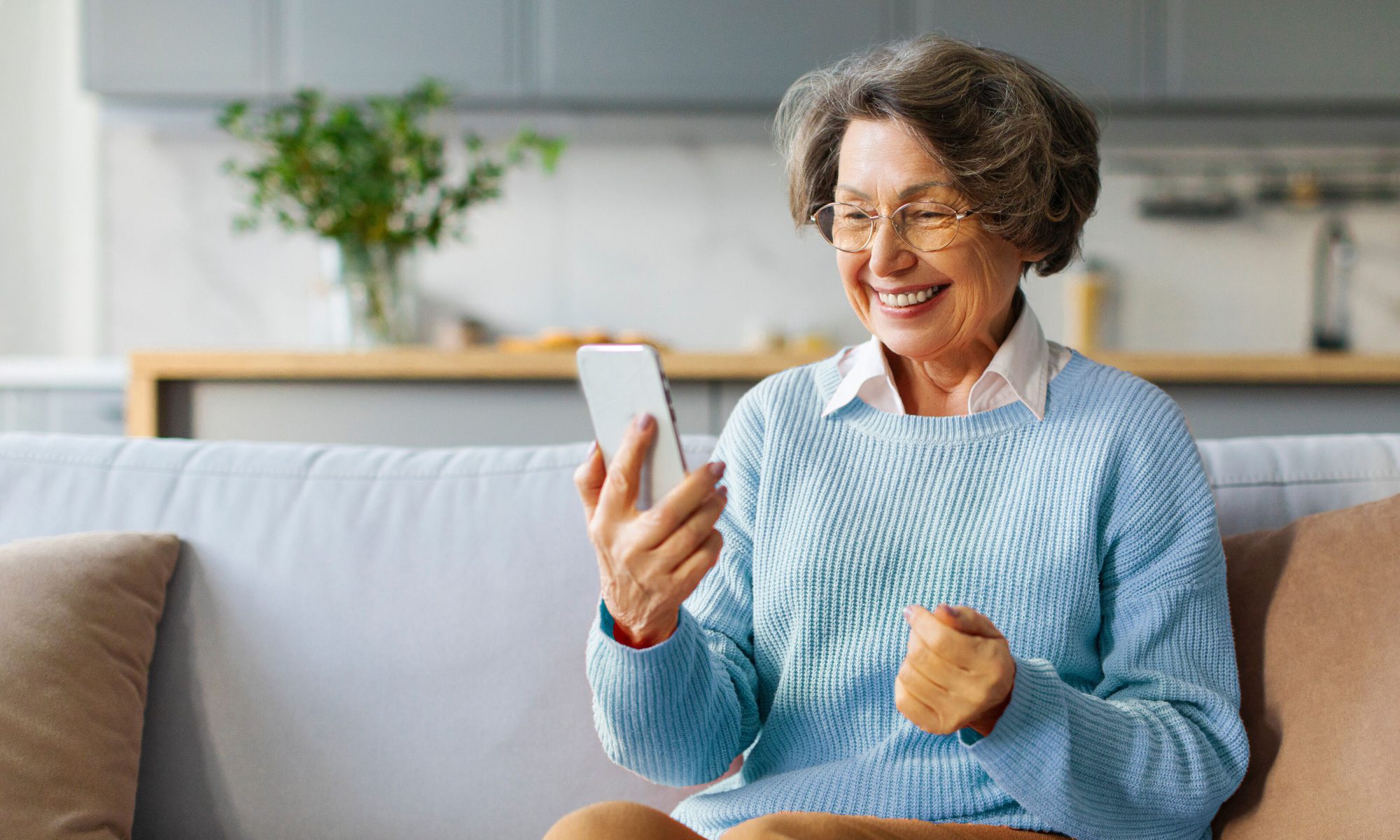
Technology can bridge communication gaps in dementia care through tools like picture-based apps, voice-assisted devices, and memory aids that help dementia patients express needs and maintain connections with caregivers and loved ones. As dementia progresses, verbal communication becomes increasingly difficult, but innovative solutions are making it easier for seniors with dementia to stay engaged and understood. Let’s explore how technology is transforming dementia care and enhancing quality of life for seniors and their families.
What Types of Communication Apps Help Dementia Patients?
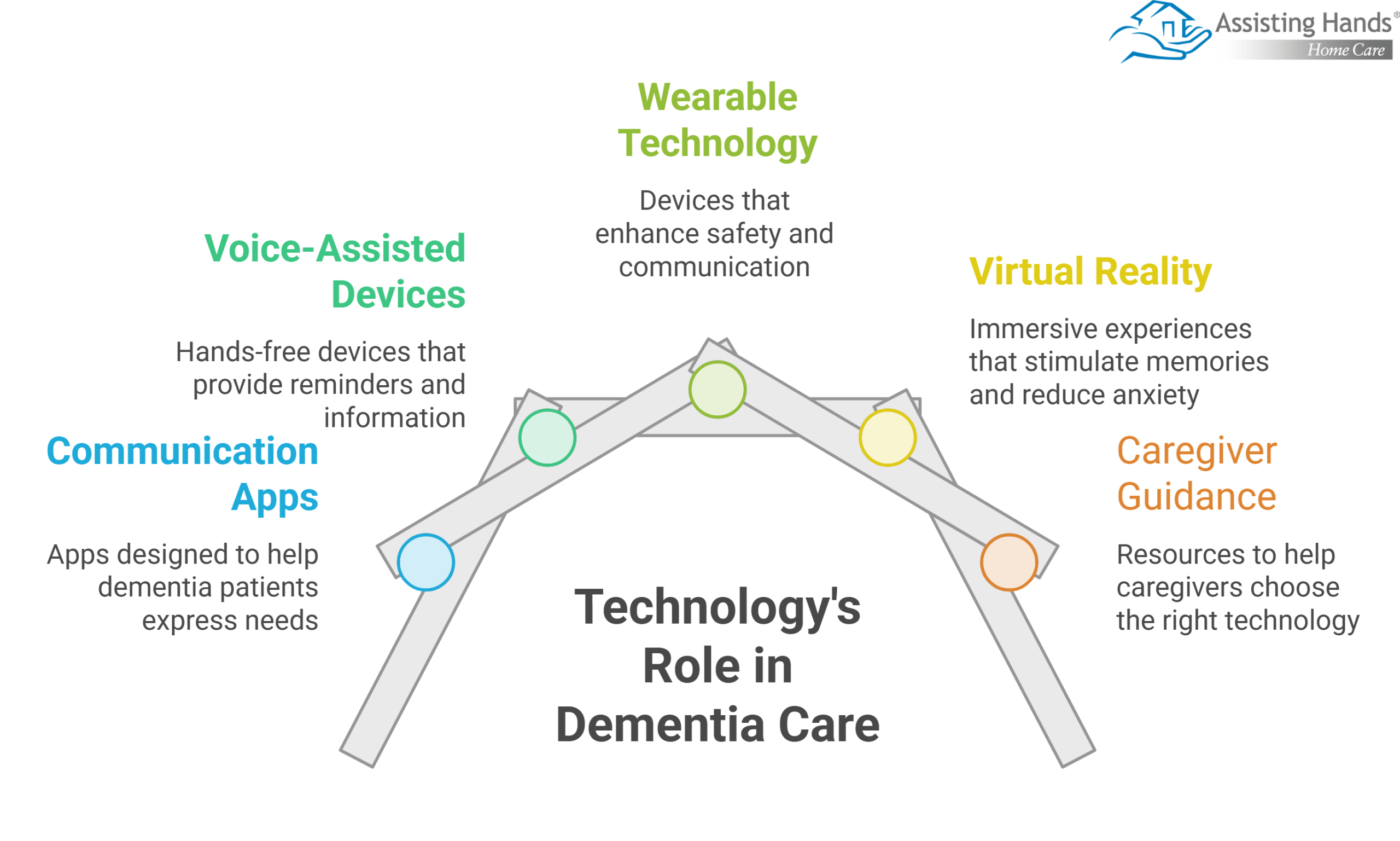
Several apps have been specifically designed to assist people with dementia in expressing their thoughts and needs:
- Picture-based communication apps – These allow users to point to images representing common needs, emotions, or activities, making it easier to communicate without relying on words.
- Memory and reminder apps – Tools that provide visual and audio cues help seniors remember daily tasks, appointments, and important information.
- Music and memory apps – Research shows music can trigger memories and emotions in dementia patients, helping them reconnect with their past and express themselves.
- Video calling platforms – Simple large-button video calling apps help seniors maintain face-to-face contact with family members, reducing feelings of isolation.
How Do Voice-Assisted Devices Support Dementia Care?
Voice-assisted devices like Amazon Alexa and Google Home offer hands-free support that can significantly enhance daily life for dementia patients:
- Medication reminders – These devices can be programmed to remind seniors when to take their medication, reducing the burden on caregivers.
- Answering common questions – Seniors can ask questions repeatedly without frustrating family members, as the devices provide consistent answers.
- Playing familiar music – Voice commands make it easy for seniors to request songs from their youth, which can stimulate memory and boost mood.
- Routine support – Devices can announce the time of day, suggest activities, or provide weather updates, helping seniors maintain a sense of structure.
These devices work especially well in dementia care at home settings, where familiar voices and consistent reminders help seniors maintain their daily routines with greater confidence.
Can Wearable Technology Enhance Safety and Communication?
Wearable devices offer both safety features and communication support for dementia patients:
- GPS tracking – Wearables with location services help caregivers locate loved ones who may wander, providing peace of mind and faster response times.
- Health monitoring – Some devices track vital signs and alert caregivers to potential health issues before they become emergencies.
- Emergency buttons – One-touch SOS features allow seniors to call for help even when they can’t remember phone numbers or operate smartphones.
- Activity tracking – Monitoring sleep patterns and physical activity helps caregivers understand behavioral changes and adjust care accordingly.
Certain age-related conditions can make it more challenging for older adults to age in place safely and comfortably, but experts in 24-hour home care for Westminster seniors are available around the clock to help aging adults manage their health. Whether your loved one is living with dementia or recovering from a stroke, you can trust the professional caregivers from Assisting Hands Home Care to enhance his or her quality of life.
What Role Does Virtual Reality Play in Dementia Care?
Virtual reality (VR) is emerging as a powerful tool for engaging dementia patients and facilitating communication:
Memory stimulation – VR can recreate familiar places from a senior’s past, such as childhood homes or favorite vacation spots, sparking conversation and connection.
- Therapeutic experiences – Calming virtual environments like beaches or forests can reduce anxiety and agitation, making seniors more receptive to communication.
- Social interaction – Virtual group activities allow seniors to engage with others in controlled, comfortable settings.
- Cognitive exercises – VR programs designed for dementia patients can help them maintain cognitive function through interactive games and challenges.
How Can Caregivers Choose the Right Technology?
Selecting appropriate technology for dementia care requires careful consideration:
- Assess your loved one’s stage of dementia – Early-stage dementia patients may benefit from more complex apps, while those in the advanced stages need simpler, more intuitive tools.
- Consider ease of use – The best technology requires minimal learning and features large buttons, clear icons, and simple navigation.
- Involve your loved one in decisions – When possible, let your loved one test different options to see what feels comfortable and helpful to him or her.
- Start small – Introduce one tool at a time to avoid overwhelming your loved one, and gradually add more as he or she becomes comfortable.
- Seek professional guidance – Occupational therapists and dementia care specialists can recommend tools based on individual needs and abilities.
Beyond technology, caregivers can also benefit from understanding how Alzheimer’s caregivers can enhance communication through everyday interaction strategies that complement these tools.
The type of at-home care Westminster seniors need can vary. Some need assistance a few hours a day, while others require more extensive around-the-clock assistance. At Assisting Hands Home Care, we tailor our care plans based on each senior’s individual care needs, and the plans can be adjusted at any time. We are a trusted provider of respite and 24-hour care, and we also offer specialized Alzheimer’s, dementia, Parkinson’s, and stroke care for seniors.
Aging in place can present a few challenges for seniors living with dementia. However, with professional dementia home care that offers Westminster families peace of mind, they can still live independently at home. Families can rely on Assisting Hands Home Care to provide their elderly loved ones with mental and social stimulation, timely medication reminders, assistance with meal prep, and much more. Our caregivers are available around the clock to help your loved one live a happier and healthier life. If you need professional home care for your loved one, our Care Specialists are just a phone call away. Reach out to Assisting Hands Home Care today.
Frequently Asked Questions
What’s the best communication device for dementia patients?
+
The best device depends on the individual’s stage of dementia and personal preferences, but tablet-based picture communication apps and voice-assisted devices are among the most popular and effective options.
Can technology replace human caregivers in dementia care?
+
No, technology should complement rather than replace human interaction. It serves as a tool to enhance communication and support, but personal connection remains essential for emotional wellbeing.
Are there free apps available for dementia communication?
+
Yes, several free apps are available, including memory games, picture-based communication tools, and reminder apps, though premium versions often offer more features and customization.
How do you introduce technology to someone with dementia?
+
Introduce technology gradually during calm moments, demonstrate its use repeatedly, and focus on one simple function at a time. Patience and positive reinforcement are key to successful adoption.
Does insurance cover assistive technology for dementia patients?
+
Coverage varies by insurance provider and plan. Some Medicare Advantage plans and long-term care insurance policies may cover certain assistive devices, so it’s worth checking with your provider.