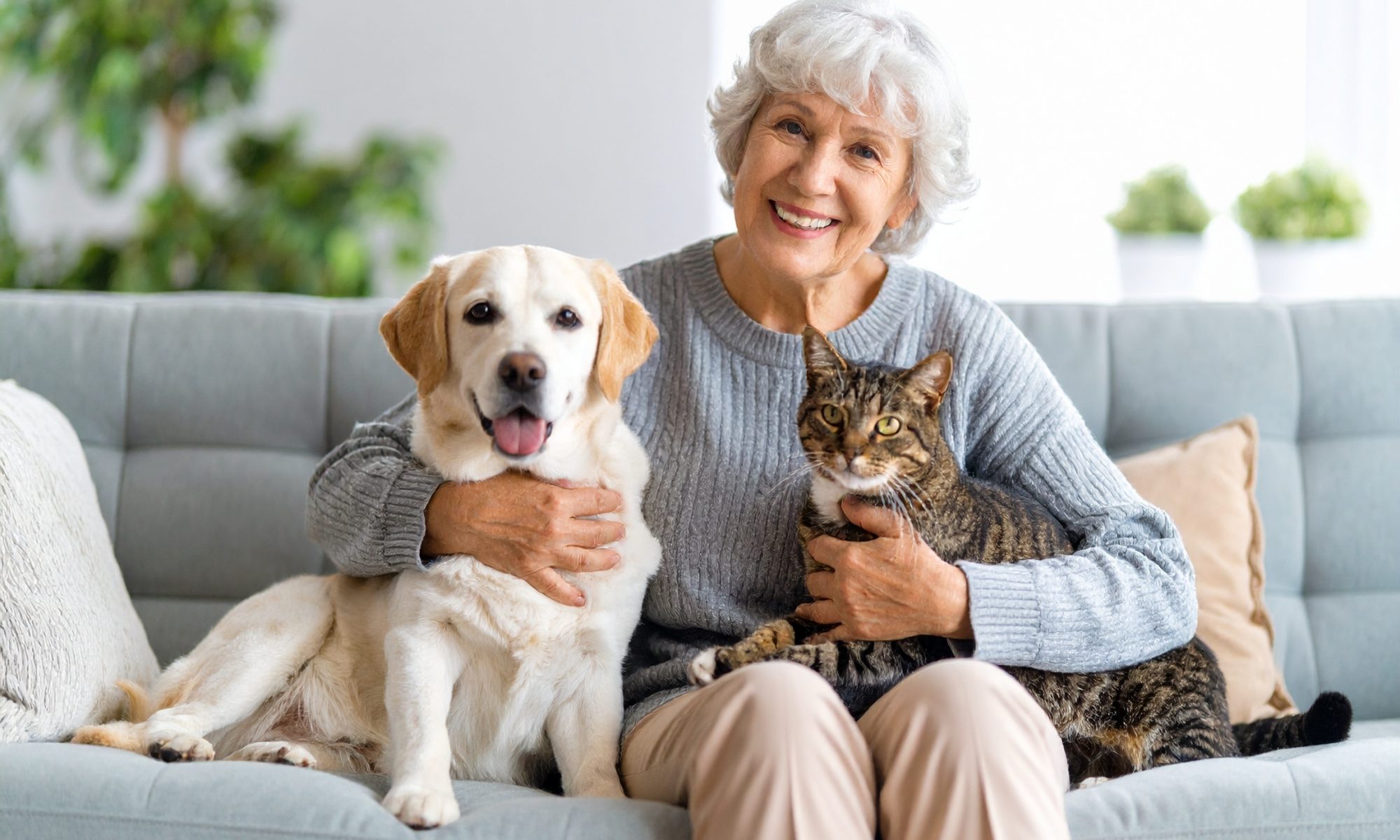
Caring for a senior loved one with dementia presents many challenges, but finding sources of comfort and joy can make a significant difference. Animal-assisted therapy, particularly involving pets, has emerged as a powerful way to enhance the wellbeing of individuals living with dementia.
Emotional and Mental Health Benefits
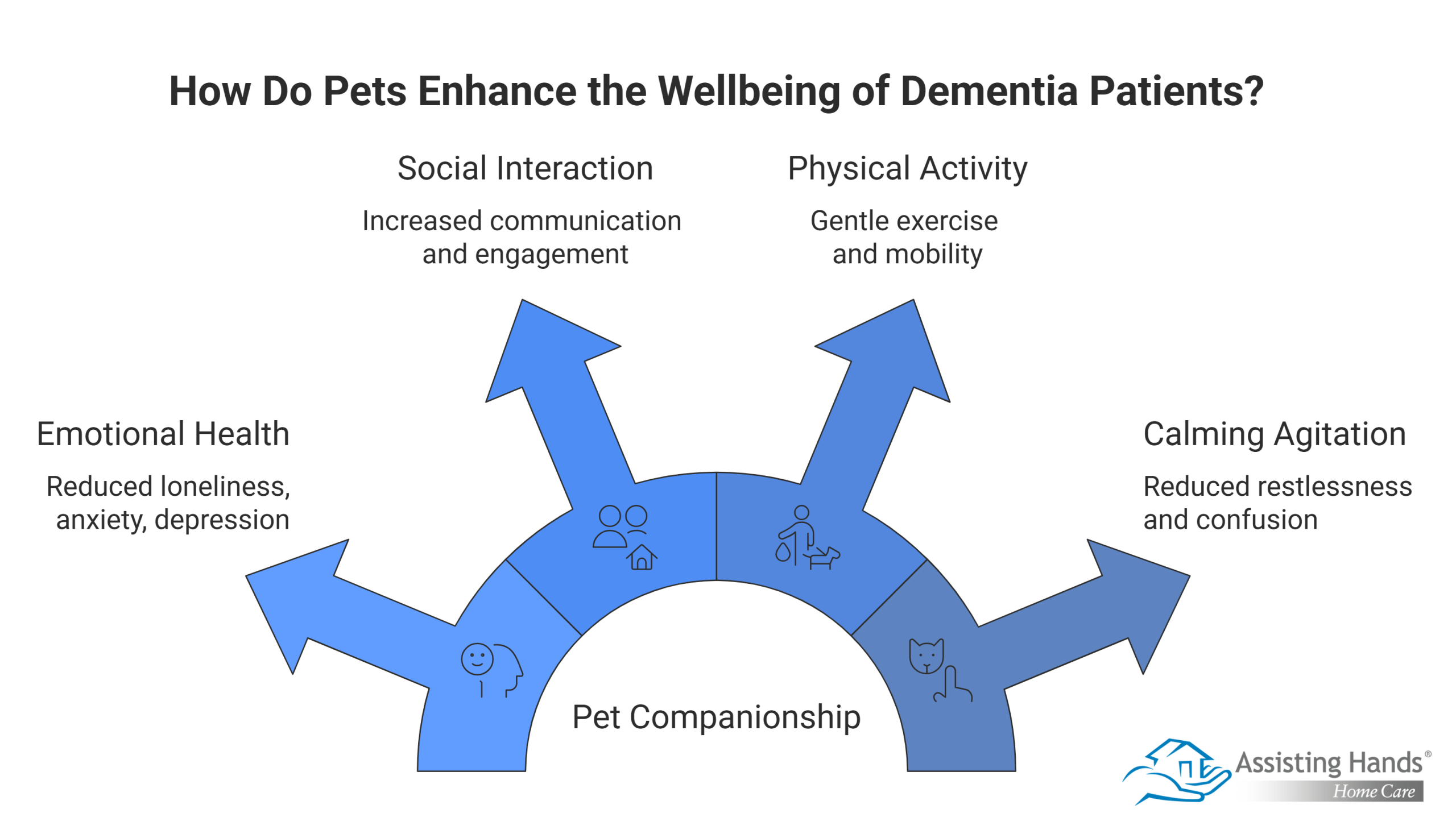
One of the most significant impacts of pet companionship is on the emotional and mental states of dementia patients. The unconditional love and nonjudgmental presence of a pet can provide a unique form of comfort that human interaction sometimes cannot. This bond often leads to a noticeable reduction in feelings of loneliness, anxiety, and depression, which are common among individuals with dementia.
- Stress reduction – Interacting with animals, such as stroking a cat or dog, has been shown to lower cortisol levels (a stress hormone) and increase the production of serotonin (a feel-good chemical).
- Mood enhancement – The simple act of watching a pet play or receiving affection from the animal can bring moments of joy and laughter, lifting spirits.
- Sense of purpose – Caring for a pet, even in small ways like feeding or grooming, can provide a renewed sense of purpose and responsibility.
Engaging with pets is known to boost quality of life, but seniors with dementia often require additional assistance to remain healthy and happy. Many older adults are choosing to age in place, and some need a helping hand to continue living at home safely and comfortably. Luckily, there is professional home care Westminster seniors can trust and rely on.
Increased Social Interaction
Pets often act as social facilitators, breaking down communication barriers. For dementia patients who have difficulty with social engagement, a pet can become a conversation starter and a bridge to connecting with others.
When caregivers, family members, or visitors interact with the pet, it creates a relaxed and natural environment for conversation. Discussions about the pet’s antics or needs can encourage seniors to engage more freely. This effect is also seen in care home settings, where therapy animals can stimulate interaction among residents who are otherwise withdrawn.
Interacting with pets isn’t the only way older adults can receive mental and social stimulation. Families who find it difficult to care for their aging loved ones without assistance can benefit greatly from professional respite care Westminster seniors can rely on. Family caregivers who need a break from their caregiving duties can turn to Assisting Hands Home Care. Our caregivers can encourage your loved one to eat well, exercise regularly, get plenty of mental and social stimulation, and focus on other lifestyle factors that promote longevity.
Increased Physical Activity
The presence of a pet, particularly a dog, can encourage gentle physical activity. While strenuous exercise may not be possible, simple activities associated with pet care contribute to a senior’s physical health. These activities can include:
- Short supervised walks
- Tossing a ball or toy
- Grooming the animal
These small movements help seniors maintain mobility, increase circulation, and can even enhance coordination and motor skills. The routine of caring for a pet provides a structured, gentle way to stay active throughout the day. When combined with professional dementia care at home, these pet-related routines can be safely supervised and incorporated into a comprehensive daily care plan.
Calming Agitation and Sundowning
Many individuals with dementia experience agitation, restlessness, or confusion, particularly in the late afternoon and evening—a phenomenon known as “sundowning.” The calming presence of a pet can be incredibly effective in these situations.
The gentle purring of a cat or the quiet companionship of a dog can have a soothing effect, reducing agitation and providing a sense of security. The simple repetitive motion of petting an animal can also be a calming activity that redirects focus and eases distress.
Aging in place can present a few challenges for seniors living with dementia. However, with professional dementia care Westminster families trust, they can still live independently at home. Families can rely on Assisting Hands Home Care to provide their elderly loved ones with mental and social stimulation, timely medication reminders, assistance with meal prep, and much more. Our caregivers are available around the clock to help your loved one live a happier and healthier life. If your loved one needs professional care, Assisting Hands Home Care is here to help. To hire a compassionate, dedicated caregiver, call us today.