Blog

By Troy Rudy, 8:00 am on March 16, 2026

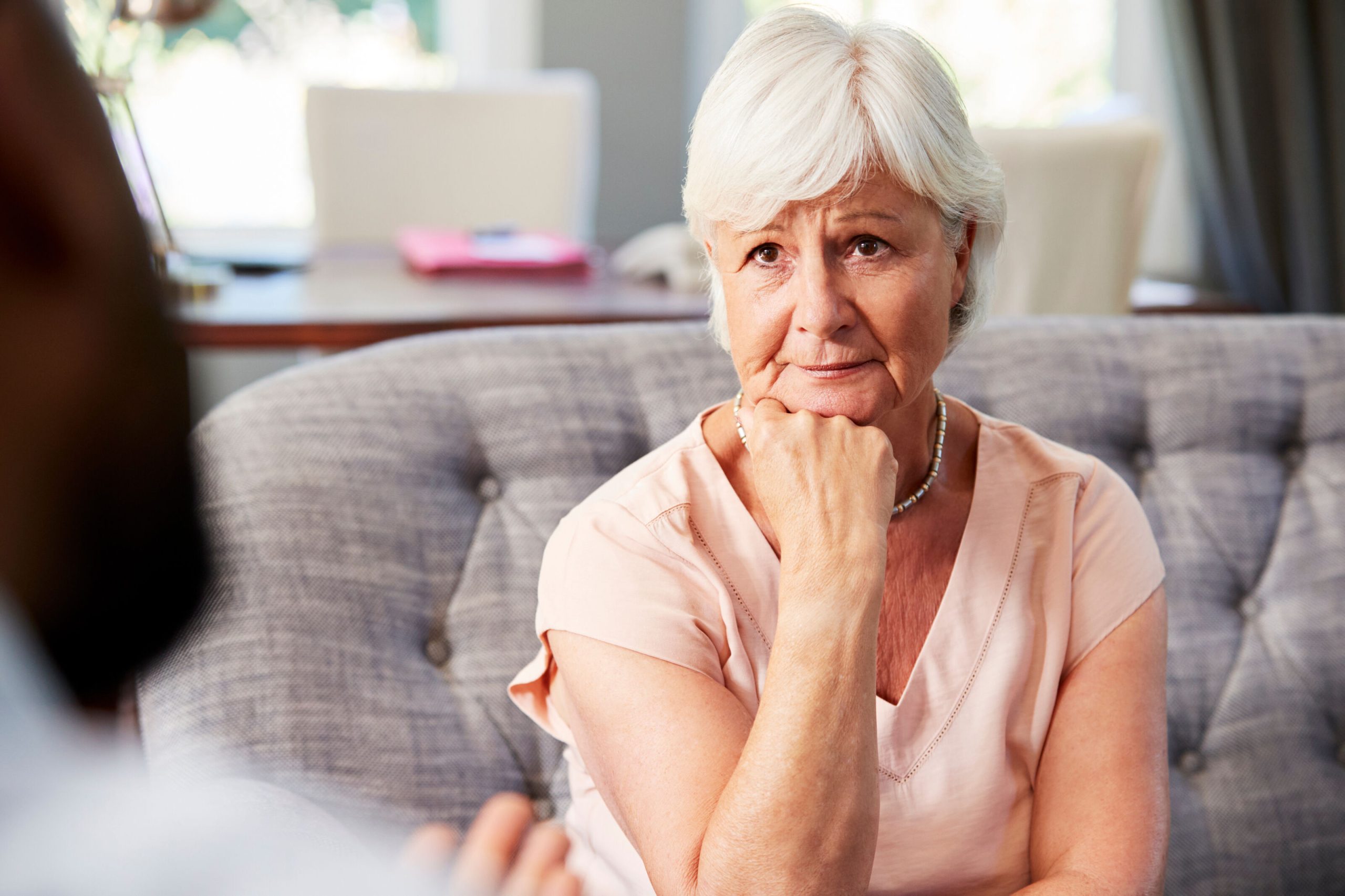
The most common anxiety triggers for seniors with dementia include environmental overstimulation, communication difficulties, unmet physical needs, disruptions to routine, and the disorientation caused by memory loss itself.  Caring for a senior loved one with dementia involves navigating a complex landscape of emotions, with anxiety being a frequent and distressing companion. By identifying specific triggers, you can create a more…

By Troy Rudy, 6:00 am on March 9, 2026

Transitioning a senior from the hospital to home requires careful coordination. The key steps include mastering the discharge plan, preparing the home for safety, organizing medications, arranging in-home support, and maintaining a balanced diet and hydration. Thoughtful planning ensures a smoother recovery and prevents readmission. Bringing an aging loved one home after a hospital stay often brings a mix of…

By Troy Rudy, 8:00 am on March 2, 2026

Technology enhances senior in-home care by increasing safety, medication adherence, independence, social connection, and care coordination. Wearables, smart dispensers, home automation, communication tools, and shared-care platforms give seniors more control over daily life while helping families and professionals monitor health, respond quickly to issues, and collaborate on care, allowing seniors to age in place more confidently. As the global population…

By Troy Rudy, 8:00 am on February 23, 2026

Twenty-four-hour in-home care benefits seniors by providing continuous supervision, immediate emergency response, personalized one-on-one support, and consistent companionship. This level of care allows older adults to remain safely in their own homes while maintaining independence, emotional wellbeing, and stability, especially when medical needs, mobility challenges, or cognitive decline require around-the-clock attention. Making decisions about an aging loved one’s future is…

By Troy Rudy, 8:00 am on February 16, 2026

Resistance to care in someone with dementia is best handled by identifying the underlying cause, adjusting communication style, preserving autonomy, and knowing when to pause. This behavior is generally a response to confusion, fear, discomfort, or loss of control rather than intentional refusal. Addressing triggers and modifying the caregiving approach typically reduce agitation and enhance cooperation over time.  Caring for…

By Troy Rudy, 6:00 am on February 9, 2026

The best self-care practices for caregivers include maintaining physical health, using respite care, setting emotional boundaries, staying socially connected, and incorporating brief moments of daily restoration. These practices can prevent burnout, protect long-term wellbeing, and ensure caregivers can continue providing effective, compassionate support without sacrificing their own health. Caregiving is often described as a labor of love, but it can…

By Troy Rudy, 8:00 am on February 2, 2026

Living with a chronic condition often requires a complex routine of medications, appointments, and lifestyle adjustments that can be difficult for seniors to manage independently. In-home care services bridge this gap by providing professional support tailored to specific health needs, allowing older adults to maintain their health and independence comfortably at home. Ensures Consistent Medication Adherence One of the most…

By Troy Rudy, 8:00 am on January 26, 2026

Finding community support is essential when caring for a senior loved one with dementia, providing vital assistance for both of you. These services can enhance quality of life, offer emotional support, and provide practical help with daily challenges. Types of Community Support Available A wide range of services are available to support individuals with dementia. Understanding what each offers can…

By Troy Rudy, 8:00 am on January 19, 2026

Falls are a leading cause of injury among older adults, often leading to serious health complications and a loss of independence. In-home care provides essential support that can significantly reduce the risk of falls by addressing the environmental, physical, and daily challenges seniors face. Creating a Safer Home Environment A cluttered or poorly arranged home is a major contributor to…

By Troy Rudy, 8:00 am on January 12, 2026

Being a caregiver is a profoundly demanding and selfless role, but it’s easy to lose parts of yourself while dedicating your time and energy to someone else. Maintaining your sense of identity is essential for your wellbeing and helps you provide better care in the long run. Here’s how you can stay connected to yourself outside of your caregiving responsibilities.…